
Urriaren 20an, asteartean, Elkartenet Hezkuntza Elkarteak bere Deustuko egoitzan hartu zuen «Adimen artifiziala: mundu-ordena berria eta burujabetza teknologikoa» saioa, UN Etxeak eta RCE Basque Country-Navarre-k antolatutako 2026ko RCEen Europako Eskualde Topaketaren barruan.
Galdera honi heldu genion: adimen artifizialak murriztu al dezake Hego Globalarekiko arrakala digitala, ala areagotu? Nork kontrolatzen duen, zein legeren menpe eta zein hizkuntzatan funtzionatzen duen horren araberakoa da.
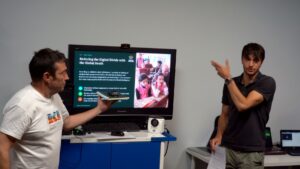
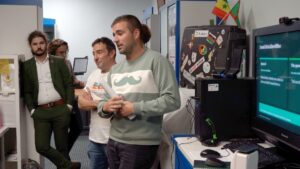
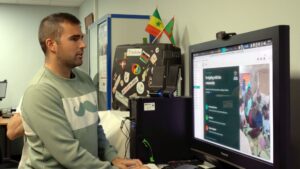
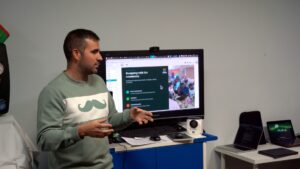
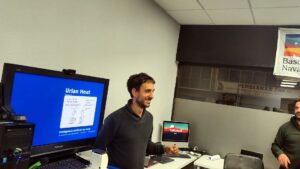
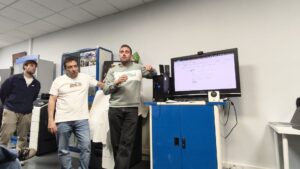
Ondoren, lantzen ari garen tresnak aurkeztu genituen. Enrique Lópezek, AA–Mugarik Gabeko Ikasgelak proiektuaren koordinatzaileak, prestakuntzarako laguntzaile digital gisa lan egiten duen tokiko adimen artifiziala erakutsi zuen. Erabiltzailearen ordenagailuan bertan funtzionatzen du, internet konexiorik gabe, eta oraindik garatzen ari gara. URLAN Heat-eko Mikel Marcosek azaldu zuen nola ari garen lanean administrazio- eta kontabilitate-lanak datu sentikorrak agerian utzi gabe tokian bertan egiteko. Gainera, TORCH-en irtenbidea aurkeztu genuen: sare elektrikoaren eta interneten mende egon gabe funtzionatzeko pentsatutako adimen artifizial berdea.
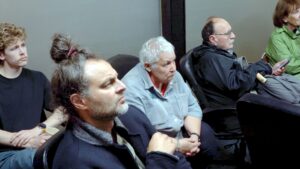
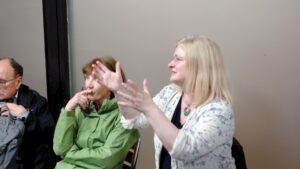
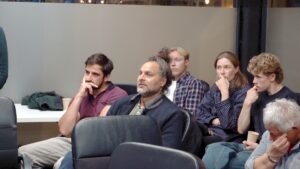
Europako hainbat herrialdetako RCEetako ordezkariak bertaratu ziren (Danimarka, Alemania, Eskozia, Herbehereak, Polonia, Txekia, Irlanda…), baita Norvegiako eta Italiako ikasleak ere. Bertaratutakoen artean zeuden Samuel, UN Etxeakoa, eta Betsy King, RCE Scotland-eko (Learning for Sustainability Scotland) garapen-zuzendaria (Development Manager) eta Europako RCEen eskualdeko aholkularia (Regional Advisor) izandakoa.
Eskerrik asko Jonasi, Igori, Joaquini eta Mikeli beren lankidetzagatik, eta Deustura etorri ziren pertsona eta elkarte guztiei.
Jarraitu eta jarraituko dugu, lanean eta ametsetan… mugarik gabe
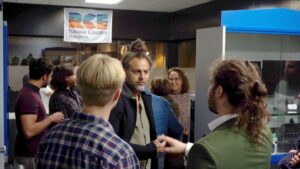
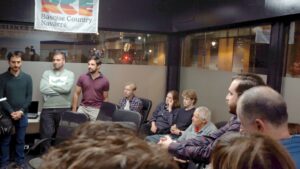
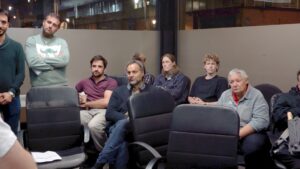
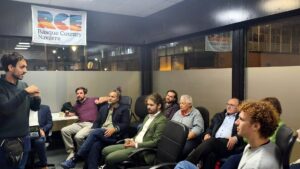
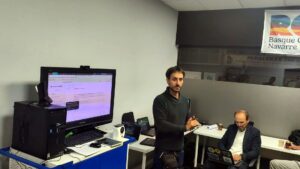
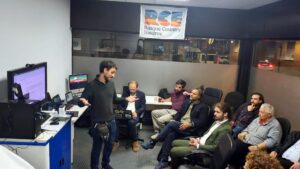
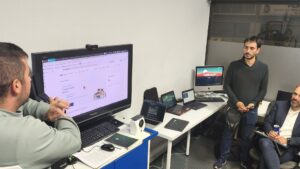
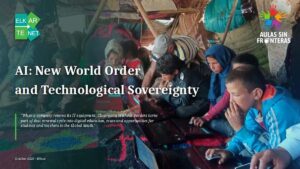
On Tuesday 20 October, Elkartenet Hezkuntza Elkartea hosted the session “AI: New World Order and Technological Sovereignty” at its premises in Deusto, as part of the RCE European Regional Meeting 2026, organised by UN Etxea and RCE Basque Country-Navarre.
We addressed the question: can AI narrow the digital divide with the Global South, or widen it? It depends on who controls it, under which laws, and in which language it works.
We then presented the tools we are working on. Enrique López, coordinator of the AI–Aulas sin Fronteras project, showed a local AI that works as a digital assistant for training. It runs on the user’s own computer, without an internet connection, and we are still developing it. Mikel Marcos, of URLAN Heat, explained how we are working to carry out administrative and accounting tasks locally, without exposing sensitive data. We also presented the solution from TORCH, a green AI designed to operate without depending on the power grid or the internet.
Representatives of RCEs from several European countries (Denmark, Germany, Scotland, the Netherlands, Poland, Czechia, Ireland…) attended, along with students from Norway and Italy. Among those present were Samuel, from UN Etxea, and Betsy King, former Development Manager of RCE Scotland (Learning for Sustainability Scotland) and Regional Advisor for the RCEs of Europe.
Eskerrik asko (thank you) to Jonas, Igor, Joaquín and Mikel for their collaboration, and to all the people and associations who came to Deusto.
We continue, and will continue, working and dreaming… without borders.
El martes 20 de octubre, Elkartenet Hezkuntza Elkartea acogió en sus locales de Deusto la sesión «IA: Nuevo orden mundial y soberanía tecnológica», dentro del Encuentro Regional Europeo de RCE 2026, organizado por UN Etxea y RCE Basque Country-Navarre.
Respondíamos a la pregunta ¿puede reducir la brecha digital con el Sur Global o ampliarla?: según quién la controle y bajo qué leyes y en qué idioma funcione.
Después presentamos las herramientas en las que trabajamos: Enrique López, coordinador del proyecto IA–Aulas sin Fronteras, mostró una IA local como asistente digital para la formación (en la que estamos trabajando), que funciona en el propio ordenador y sin conexión. Mikel Marcos, de URLAN Heat, enseñó cómo estamos trabajando para hacer en local tareas de administración y contabilidad sin exponer datos. También presentamos la solución de TORCH, una IA verde pensada para funcionar sin depender de la red eléctrica ni de internet.
Asistieron representantes de RCE de varios países europeos (Dinamarca, Alemania, Escocia, Países Bajos, Polonia, Chequia, Irlanda…) y estudiantes de Noruega y de Italia. Entre los presentes estuvieron Samuel, de UN Etxea, y Betsy King, que fue Development Manager de la RCE Scotland (Learning for Sustainability Scotland) y Regional Advisor de las RCE de Europa.
Eskerrik asko a Jonas, Igor, Joaquín y Mikel por su colaboración, y a todas las personas y asociaciaciones que vinieron a Deusto.
Seguimos y seguiremos trabajando y soñando…..sin fronteras